What Makes the Best Engineering Colleges in West Bengal Stand Out?
Choosing the right engineering institution is one of the most important decisions in a student's academic journey. Engineering is not only about earning a degree; it is about developing technical expertise, innovation skills, problem-solving abilities, and industry readiness. With technology evolving rapidly across sectors, students need an institution that prepares them for both current opportunities and future challenges.
When searching for the best engineering colleges in West Bengal, students and parents often focus on rankings and placements. While these are important considerations, a truly high-quality engineering institution is defined by several interconnected factors, including academic excellence, faculty expertise, industry exposure, infrastructure, research opportunities, and student development initiatives.
Understanding these indicators can help aspiring engineers make informed decisions and select a college that aligns with their career goals and aspirations.
Accreditation and Academic Excellence
One of the strongest indicators of a quality engineering institution is its accreditation and academic recognition. Accredited engineering programs demonstrate adherence to established educational standards and a commitment to continuous improvement.
A strong academic framework ensures that students receive a curriculum aligned with industry expectations and technological advancements. Engineering institutions that regularly update their programs to include emerging technologies such as Artificial Intelligence, Data Science, Cybersecurity, Robotics, and the Internet of Things provide students with a competitive advantage in the job market.
Academic excellence also reflects the institution's focus on innovation, critical thinking, and practical application of engineering concepts. A robust curriculum combined with outcome-based education helps students develop the technical competencies required for successful engineering careers.
Experienced Faculty and Industry-Oriented Learning
Faculty members play a crucial role in shaping the educational experience of engineering students. An institution's academic strength is directly linked to the expertise, qualifications, and dedication of its teaching staff.
Experienced faculty members bring valuable knowledge, research insights, and practical perspectives into the classroom. Their mentorship helps students understand complex engineering principles while encouraging analytical thinking and innovation.
Industry-oriented learning further enhances academic delivery by connecting theoretical concepts with real-world applications. Guest lectures, industry interactions, workshops, certification programs, and technical seminars expose students to current trends and professional expectations. This approach helps bridge the gap between classroom learning and industry requirements.
Modern Infrastructure and Advanced Laboratories
Engineering education relies heavily on practical learning. Modern infrastructure and well-equipped laboratories create an environment where students can experiment, innovate, and apply their knowledge effectively.
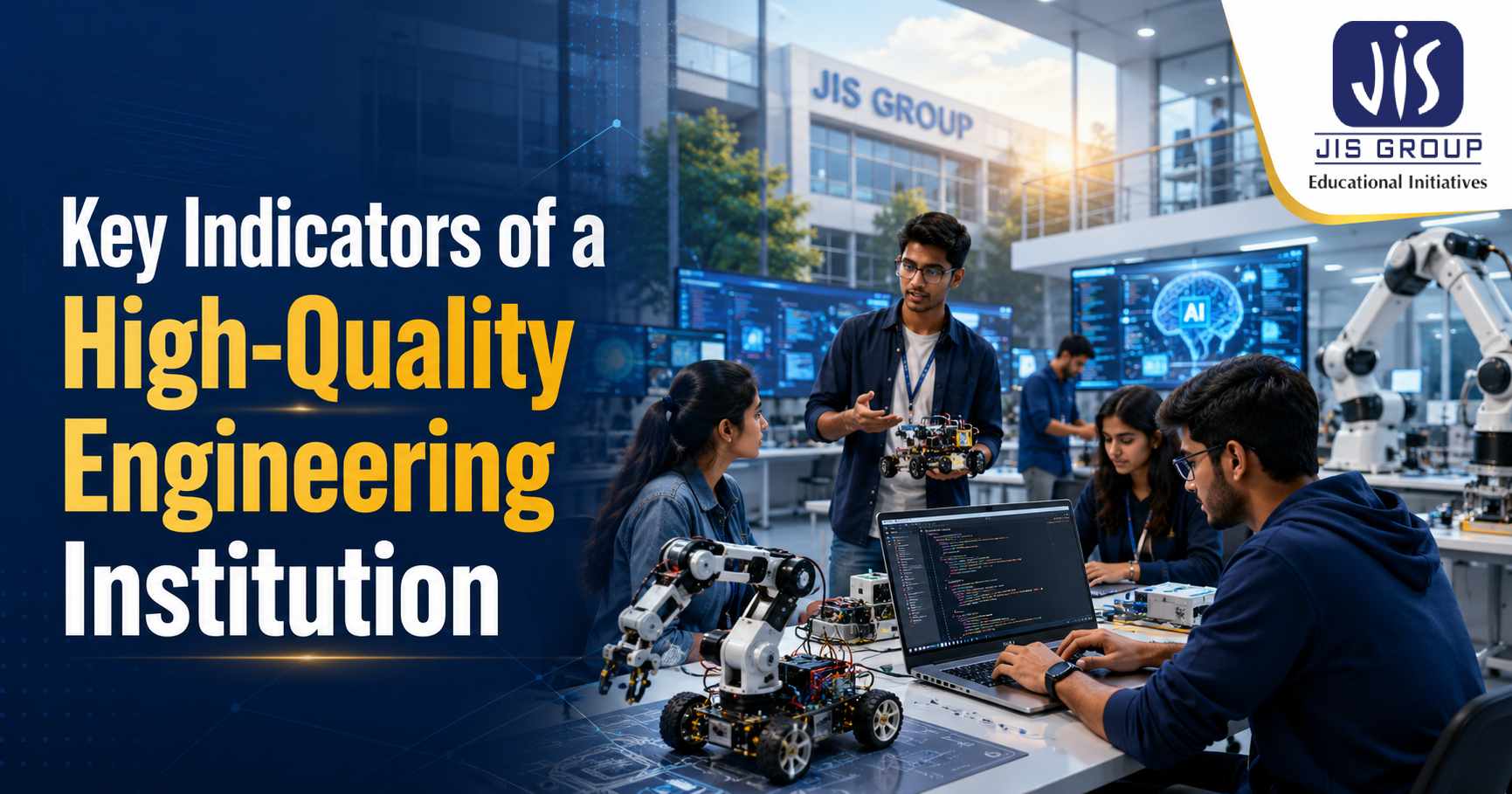
High-quality engineering institutions invest in advanced laboratories, smart classrooms, innovation centers, digital libraries, and technology-enabled learning resources. These facilities provide students with hands-on experience and exposure to industry-standard tools and equipment.
State-of-the-art infrastructure supports project-based learning and allows students to explore emerging technologies through practical experimentation. Such experiences contribute significantly to skill development and career readiness.
A well-designed campus environment also promotes collaboration, creativity, and academic engagement, creating a holistic learning ecosystem for future engineers.
Research, Innovation, and Entrepreneurship
The best engineering colleges in West Bengal encourage students to think beyond conventional learning and embrace innovation. Research and development activities play a critical role in fostering a culture of creativity and technological advancement.
Engineering institutions that support research projects, innovation challenges, patent development, and startup initiatives provide students with opportunities to solve real-world problems. Participation in research enhances analytical thinking, technical expertise, and independent learning capabilities.
Entrepreneurship development programs and incubation support further encourage students to transform innovative ideas into viable solutions and business ventures. These initiatives help cultivate future technology leaders and innovators.
As industries increasingly prioritize innovation-driven talent, exposure to research and entrepreneurship becomes an invaluable component of engineering education.
Industry Collaboration and Practical Exposure
A strong connection between academia and industry is essential for producing job-ready engineers. Institutions that maintain active collaborations with industry partners can provide students with valuable practical exposure and experiential learning opportunities.
Internships, industrial visits, live projects, technical training programs, and collaborative research initiatives help students understand workplace dynamics and industry expectations. These experiences enable students to apply classroom knowledge in practical settings while developing professional competencies.
Industry engagement also facilitates skill enhancement through certification programs and specialized training modules. Such initiatives ensure that graduates possess both technical knowledge and practical expertise required in modern engineering careers.
Engineering students benefit significantly from opportunities to interact with industry professionals and gain insights into evolving technological trends.
Placement Support and Career Development
Placement performance remains one of the most important indicators of institutional quality. A strong placement ecosystem demonstrates the confidence that recruiters have in an institution's academic standards and student capabilities.
However, evaluating placement quality involves more than simply looking at the highest salary package. Students should consider placement rates, average salary packages, internship opportunities, recruiter diversity, and career development support services.
Comprehensive career development programs help students enhance their employability through aptitude training, technical skill development, communication workshops, mock interviews, and resume-building sessions.
Institutions that prioritize career readiness create pathways for students to secure opportunities in leading organizations across various engineering domains.
Holistic Student Development
Engineering education extends beyond academics and technical training. Employers increasingly seek graduates who possess leadership abilities, communication skills, teamwork capabilities, and adaptability.
High-quality engineering institutions support holistic student development through technical clubs, innovation competitions, cultural activities, sports events, community engagement programs, and leadership initiatives.
Participation in extracurricular activities helps students develop confidence, creativity, and interpersonal skills while building valuable professional networks. These experiences contribute to personal growth and prepare students for leadership roles in their future careers.
A balanced educational environment encourages students to excel academically while developing the skills necessary for long-term professional success.
Why Students Search for the Best Engineering Colleges in West Bengal
West Bengal has established itself as a prominent destination for engineering education, attracting students from across the country. The state's engineering ecosystem offers diverse opportunities for academic growth, technical learning, research, and industry engagement.
Students searching for the best engineering colleges in West Bengal are often looking for institutions that combine academic excellence with practical exposure and strong career outcomes. Factors such as faculty quality, infrastructure, industry collaboration, research opportunities, and student support systems significantly influence this decision-making process.
The ideal engineering institution is one that nurtures innovation, encourages lifelong learning, and prepares students to thrive in an increasingly technology-driven world.
The Future of Engineering Education
Engineering education is continuously evolving to meet the demands of Industry 4.0 and emerging technological advancements. Future-ready institutions are integrating Artificial Intelligence, Machine Learning, Automation, Data Analytics, Sustainable Engineering, and Smart Technologies into their academic programs.
The focus is shifting from traditional rote learning to experiential education, interdisciplinary collaboration, and problem-solving. Students are increasingly encouraged to participate in real-world projects, innovation initiatives, and industry partnerships that enhance practical learning outcomes.
Institutions that embrace these changes create graduates who are equipped not only with technical knowledge but also with the adaptability and innovation mindset required for future success.
Conclusion
Identifying a high-quality engineering institution requires evaluating multiple factors beyond rankings and reputation. Accreditation, faculty expertise, modern infrastructure, research opportunities, industry engagement, placement support, and student development initiatives collectively define the quality of an engineering college.
For students exploring the best engineering colleges in West Bengal, understanding these key indicators can help them make informed educational decisions. The right institution provides more than a degree—it offers an environment where students can learn, innovate, grow, and prepare for successful careers in engineering and technology.
Choosing an institution that emphasizes academic excellence, practical learning, innovation, and holistic development lays the foundation for long-term professional achievement and lifelong success.